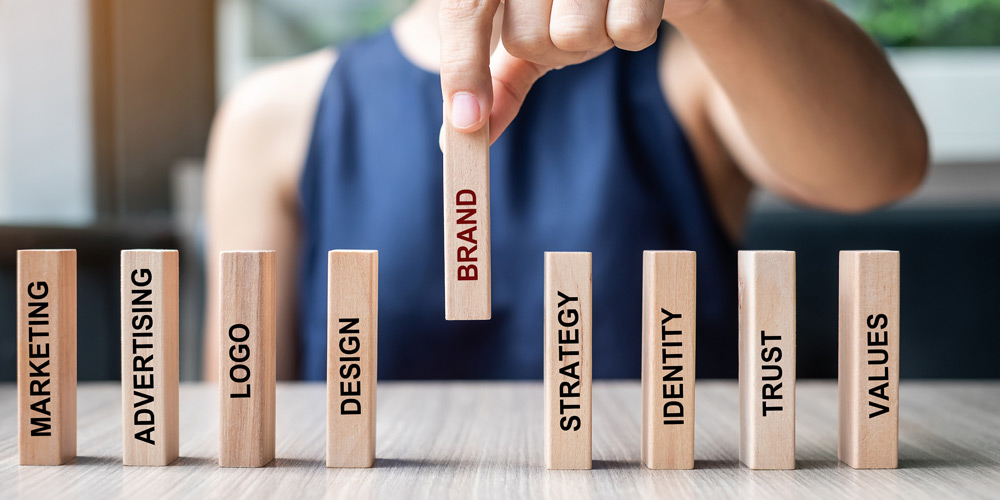
When explaining brand identity, I like to use Starbucks and Dutch Bros. as examples. They both make coffee, right? But could they be any more different? They use different iconic images, sure. A mermaid and a windmill. They use different colors. Green and bright primary colors. But it goes so much deeper than that. The product. The vibe. Who they’re seeking to attract. The messaging. The style of customer service. Even the locations they choose. Brand identity is all of that, and when done well, that identity permeates every aspect of the business.
You notice when a business feels familiar before you can explain why. The website sounds like the emails. You get the same service and the same product every time. Nothing screams “brand,” but nothing feels accidental either.
For small businesses in Spokane, this kind of familiarity matters. People remember how interactions felt. Referrals still come from conversations. Showing up the same way, again and again, counts for more than clever marketing.
Brand identity doesn’t require a big launch or reveal. Let it take shape organically. A series of small choices repeated over and over until they stick.
Where you work can support that process. A place that helps you focus, meet people, and take your work seriously without making it feel stiff. That’s why many small business owners start with something flexible like a coworking space while they figure out what works best for them.
What Brand Identity Really Is
Often, when people think of “brand,” they think of logos and colors, but brand identity goes far beyond your business’s appearance. In fact, rather than living on the surface of your business, brand identity flows from core values and reveals itself in the experience of interacting with your company.
Think of your brand identity as your company’s personality. You want to incorporate it into your tone, how you explain things, and whether people leave a conversation feeling clear or confused.
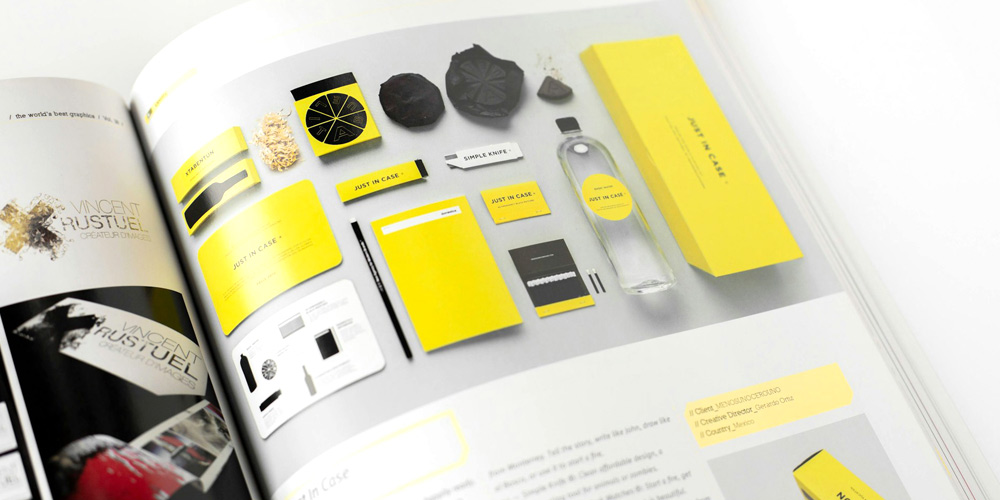
Logos and colors matter, but they’re only part of the picture. Brand identity is the thread that connects your website, emails, meetings, and follow-up. It’s also what builds a loyal audience.
If you want a simple definition, consider this: Brand identity is what people say about you when you’re not in the room.
What People Notice First
Before thinking about visuals, take a step back and ask yourself, why do people actually choose us? Don’t give the company line. Put yourself in your customer’s place.
It’s usually something practical. You explain things clearly, you respond when you say you will, and the process feels manageable instead of stressful.
When we think about branding, we tend to focus on the ideological, but people care about the practical. People come back repeatedly and generate unsolicited referrals because of the exceptional customer service they received or the way you made them feel.
If you feel stuck, look at what clients thank you for. This is usually where your brand already lives.

Know Who You Are Talking To, At Least a Little
You don’t need a perfectly defined customer persona, but you do need a sense of who you’re speaking to and who you are not speaking to.
Trying to appeal to everyone flattens your message. It makes your business sound interchangeable. The adage is true: If you try to appeal to everyone, you will appeal to no one.
Instead, ask a few basic questions.
- What problem brings people to you?
- What frustrates them before they reach out?
- What do they want more of, not less?
In Spokane, that often looks like people juggling a lot. Work, family, weather, schedules that shift without warning. They value clarity and follow-through. They notice when things feel harder than they should.
Your brand should reflect that understanding.
Choose a Personality and Stick With It
Here’s a useful exercise. Imagine your business as a person.
Not who you wish it were. Who it actually is.
- Is it calm and steady?
- Friendly but focused?
- Direct and practical?
Pick a few words and use them as a filter. If something you write does not sound like those words, revise it.
This is also where the environment plays a role. A dedicated workspace can reinforce consistency. For some people, that means moving into office space once the business feels more established.
Looking for a Workspace to Feel More Focused?
Burbity Workspaces has multiple locations with meeting rooms, to help grow your small business!
A Spokane Moment That Explains a Lot
Picture a gray winter morning. A meeting is scheduled downtown. Home is loud. The roads are icy and slow.
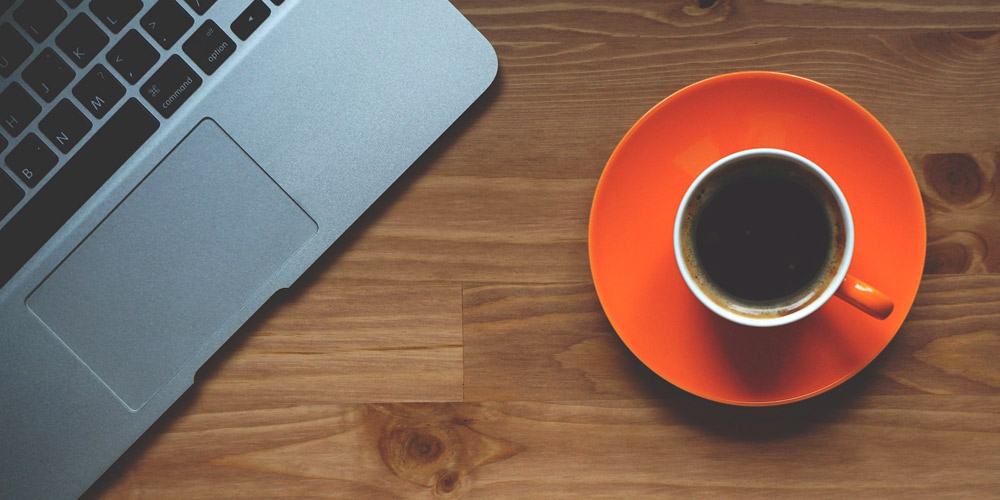
Someone arrives early, sets their laptop down, pours a cup of coffee, and takes a minute before the conversation starts.
That pause changes the tone of the meeting.
Brand identity isn’t just about what you say. It’s about how prepared you feel when you say it. Often, that comes down to having the right setting for the work you are doing.
Build a Brand Kit You Will Actually Use
You don’t need endless options. You need defaults. Remember, when it comes to brand identity, repetition is a positive.
- Start small.
- One logo or wordmark.
- Two or three colors.
- One or two fonts.
- A short paragraph that explains what you do in plain language.
- Keep it all in one place. Use it everywhere.
Consistency builds familiarity. Familiarity builds trust.
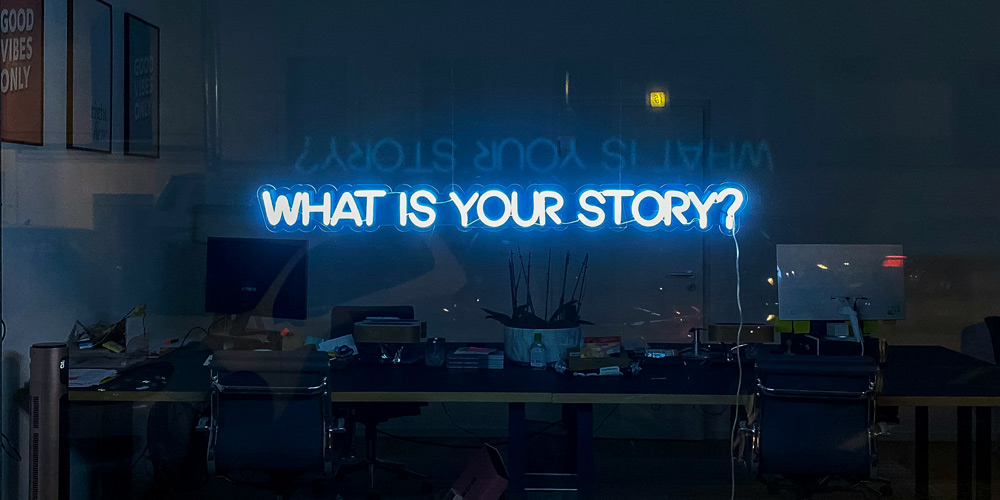
Let Your Story Stay Human
Your brand story does not need to be dramatic.
- Why did you start?
- What problem were you seeking to address?
- What did you want to do differently?
- What matters to you now?
That’s enough.
People connect to honesty faster than polish. Especially in a city where business still happens through relationships.
Why Most Brands Drift
If maintaining your brand feels like work, it won’t last.
- Reuse templates.
- Save phrases that sound like you.
- Keep your bio consistent across platforms.
- Revisit things occasionally but not constantly.
Remember, the average person needs seven touches before your messaging takes hold. You’ll be starting to get tired of a tag line or slogan before your audience even registers it.
If part of your work involves meeting people in person, the space you use becomes part of your brand, whether you plan for it or not. A professional, welcoming setting, like the meeting rooms at Burbity Workspaces in Spokane, supports the identity you are already building.
Pulling It Together
Brand identity isn’t the same as a perfect image. On the contrary, it’s about authenticity.
It is about being recognizable, showing up the same way more often than not, and feeling like yourself when you do. That’s what people remember.
Common Brand Identity Questions
What is brand identity, really?
The overall experience people have with your business.
Do I need to figure everything out before I start?
No. Start with clarity and adjust as you go.
What matters more, visuals or messaging?
Messaging. Visuals should support it, not replace it.
How do I know if it is working?
When people describe your business the way you would describe it yourself.